Beyond the Bottom Line: Redefining What it Means to be "Wealthy"
Moving from a "Growth-at-all-Costs" economy to a "Life-at-all-Costs" mindset

For decades, we have been told a specific story about success.
In this story, "health" is measured by GDP. Progress is a line on a graph that must always go up. We are taught to view the world as a collection of "natural resources"—assets to be managed, extracted, and traded.
But as many of us are realizing, this old story is reaching its final chapter. When our economic success comes at the cost of rivers we can no longer swim in and a climate that feels increasingly unpredictable, we have to ask: Are we actually getting wealthier, or are we just getting busier while losing the things that matter most?
At Drop By Drop, we believe we are living in a "Between Time." We are standing between an old economic system that is failing and a new "Well-being Economy" that is struggling to be born.

The Vision vs. The Practice
Recent research into New Zealand’s pioneering "Well-being Budget" highlights a fascinating tension. On one hand, there is the Well-being Economy Vision (WEV)—a grand, radical idea that the economy should exist to serve the planet and its people, not the other way around.
On the other hand, there is the Policy Practice—the slow, difficult work of changing old government habits.
The research shows that while the "Vision" is powerful, the "Practice" often gets stuck in old ways of thinking.
We don’t want to wait for the systems to catch up. We believe that the shift from a "resource" mindset to a "relationship" mindset starts with us—drop by drop.
Learning from Aotearoa: The Power of Whakapapa
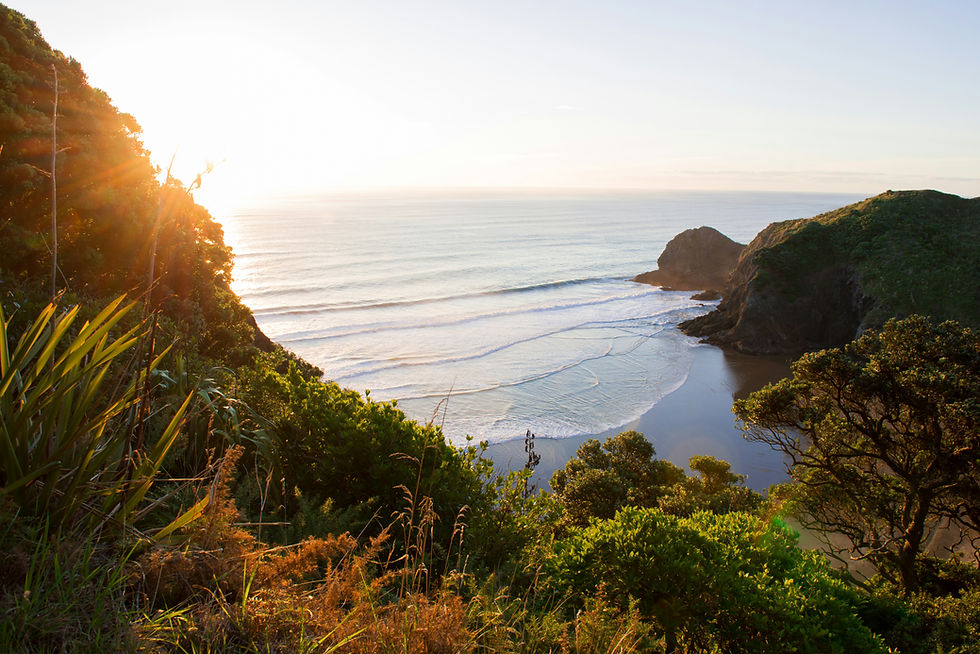
To find a better way forward, we look to the ancestral wisdom of the Māori people of Aotearoa (New Zealand). At the heart of their worldview is Whakapapa—the profound understanding that we are ancestors to the future and kin to the earth.
In this view, a river isn't just "water capital." It is a relative. A forest isn't just a "carbon sink." It is a teacher.
When we start to see the world through the lens of Whakapapa, our definition of wealth changes instantly. Wealth isn't the number in your bank account; it is the quality of your relationships, the health of your local soil, and the resilience of your community. It is what the Māori call He Ara Waiora—a pathway to holistic well-being.
Introducing: The Well-being Balance Sheet
If we want to live in a new economy, we need a new way to keep score.
Most of us have been trained to track our "financial capital," but we often ignore our "Life-Sustaining Capital." To help you bridge the gap between "Vision" and "Practice" in your own life, we’ve created a new tool: The Well-being Balance Sheet.
This isn't about dollars and cents. It’s a framework to help you audit the things that actually sustain you:
Waiora (The Living World): Are you a "relative" to your local environment?
Whanaungatanga (Connection): Is your social "savings account" full?
Mana (Purpose): Does your daily work feed your spirit?

Every Effort Counts
The shift to a Well-being Economy won't happen overnight with a single piece of legislation. It happens every time a person decides that "enough" is better than "more." It happens every time a community chooses to protect a watershed because it is kin, not because it is profitable.
We are moving away from an economy of extraction and toward an economy of Manaakitanga (care and reciprocity).
Are you ready to redefine your wealth? Explore the Wealth of Wellbeing Page
Your choices are the currency of the future. Let’s invest in life.


Comments