The 15-Minute City: A Path to Urban Healing
Updated: 1 day ago
At first glance, the 15-minute city may seem like just another urban planning trend. But when we examine it through the lens of ecosystem health, it becomes clear that this concept aims to heal the "fragmented habitat" of modern life. It encourages us to move away from the rigid, car-centric sprawl that has acted like concrete scar tissue on our landscapes. Instead, it promotes a model that mimics the vibrant, self-contained nodes of a healthy forest.

The Urban "Micro-Habitat"
In a healthy forest, a creature doesn’t need to travel across an entire continent to find water, food, and shelter. Everything it needs is within its immediate "territory."
The 15-minute city applies this biological wisdom to our neighborhoods. The goal is simple: ensure that every resident can access their daily needs—work, groceries, healthcare, and green space—within a 15-minute walk or cycle from their front door.
1. Dissolving the "Invasive" Car Culture
For sixty years, we have designed cities for cars, not for life. In biological terms, the private vehicle has acted like an invasive species, demanding vast amounts of territory (roads and parking lots) and choking out the "native" functions of the street: social interaction, play, and nature.
When we prioritize the 15-minute city, we:
Reduce the "Heat Island" Effect: Replacing asphalt with permeable pavers or small parks allows the city to "perspire" and cool itself.
Restore Air Quality: By removing tailpipe emissions from short trips, we allow the urban "lungs" (our street trees) to function more effectively, directly improving respiratory health for everyone.

2. Creating Biophilic Corridors
A 15-minute city isn’t just a cluster of buildings; it is a network of green arteries. To make walking and cycling attractive, we need shade, beauty, and safety. This leads to the "daylighting" of hidden streams, the planting of pollinator-friendly "pocket parks," and the creation of tree-lined boulevards.
These corridors aren’t just for humans. They act as urban wildlife highways, allowing birds, bees, and small mammals to move through the city. By weaving nature back into the urban fabric, we transform our cities from biological deserts into high-functioning ecosystems.
The Contentment: There is a deep, ancestral satisfaction in a "human-scale" life. When our world shrinks to a walkable radius, our stress levels drop, our sense of community grows, and we begin to notice the small changes in the seasons again.

The Circular Pulse of the Neighborhood
Just as we discussed with the Circular Economy, the 15-minute city fosters a "local metabolism."
The Neighborhood Compost: Proximity makes it easier to manage organic waste locally, returning nutrients to community gardens.
The Repair Café: When your local "ecosystem" includes a repair shop or a library of things, the "take-make-waste" cycle slows down.
Social Resilience: In times of crisis (like extreme weather), a neighborhood where people know their neighbors and can walk to help is a neighborhood that survives. This is the human version of ecological redundancy—having multiple ways for a system to support itself.
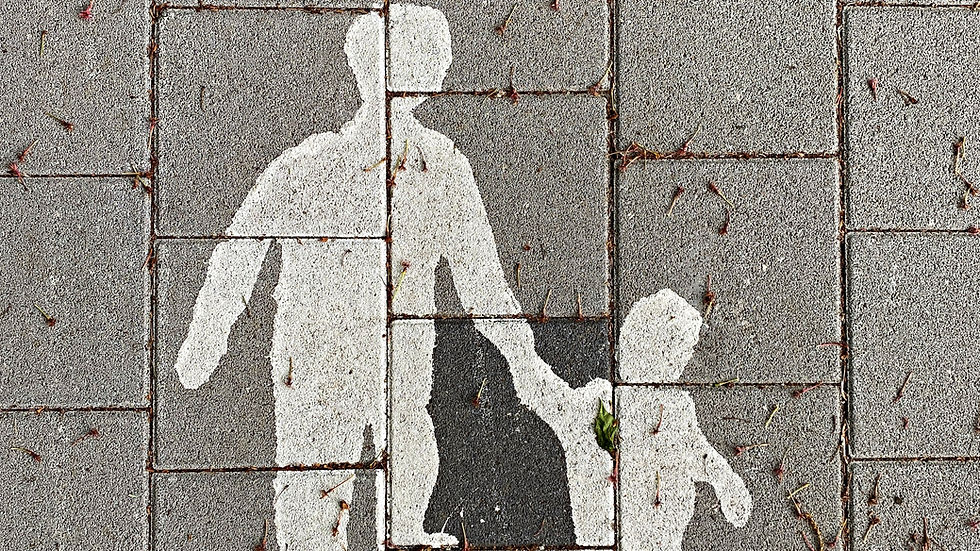
Every Effort Counts: Reclaiming Your Square Mile
The 15-minute city isn’t a utopian dream; it’s a restoration project. It’s about peeling back the layers of heavy infrastructure to find the living, breathing village underneath.
Taking Action in Your Community
How can you contribute to this urban evolution? Here are some actionable steps:
The "Micro-Commute": Challenge yourself to do one errand a week on foot that you would normally do by car. Notice what you see when you aren’t behind glass.
Support Local "Nodes": Spend your money at the local bakery or hardware store. You aren’t just buying a product; you are "watering" the economic roots of your neighborhood habitat.
Advocate for "Permeability": Join local planning discussions. Ask for bike racks instead of parking spaces, and more trees instead of more lanes.
Building a Community of Change
Creating a 15-minute city requires collective effort. Engage with your neighbors and discuss how you can work together to make your community more accessible and sustainable. Organize clean-up days, plant trees, or create community gardens. Every small action contributes to a larger movement.
Final Thoughts
We often think of "nature" as something we have to drive to. But the 15-minute city reminds us that we are part of nature, and our cities should reflect that. By designing for proximity, we aren't just saving time; we are restoring the health of our own human ecosystem, one block at a time.
If you enjoyed reading this post, check out the "Urban Explorer's Challenge":


Comments